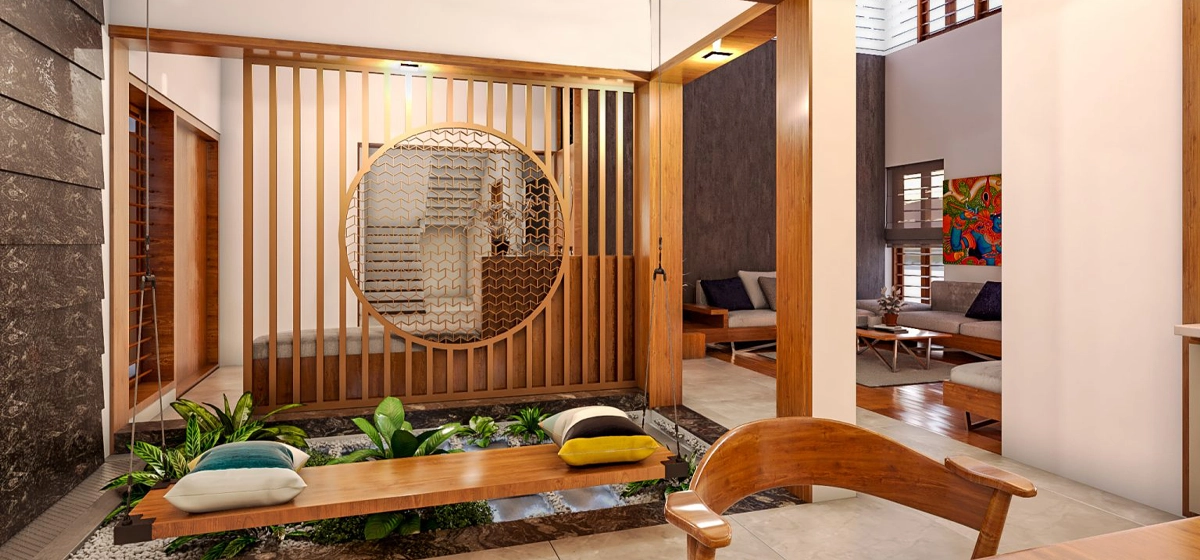
Timeless Architecture: Why Simplicity Never Goes Out of Style
Architecture is often influenced by changing trends, technologies, and lifestyles. Yet some buildings continue to feel relevant and meaningful long after their construction.
What makes architecture timeless?
The answer rarely lies in a particular style. Instead, timeless architecture often reflects thoughtful proportions, functional planning, appropriate materials, sensitivity to context, and a clear understanding of how people use spaces.
Rather than attempting to predict future trends, architects can create buildings with qualities that remain valuable over time.
The Power of Simplicity
Simplicity in architecture does not mean the absence of creativity.
It involves understanding what a project needs and expressing those requirements clearly through space, form, materials, and light.
A simple architectural composition can create a strong visual identity without relying on unnecessary decoration.
When each element has a clear purpose, the overall design can feel coherent and enduring.
Proportion and Balance
Proportion influences how people perceive buildings and interior spaces.
The relationship between openings, walls, ceilings, structural elements, and overall building form can determine whether a design feels balanced.
Careful attention to scale and rhythm helps establish visual order.
These principles apply across architectural styles, allowing buildings to maintain a sense of coherence even as surrounding trends change.
Materials That Age Well
Materials play a major role in the long-term character of architecture.
Stone, timber, brick, concrete, metal, and other materials each develop distinct visual qualities through use and exposure.
Selecting materials requires consideration of climate, durability, maintenance, availability, and construction methods.
A material that performs well in one setting may require different detailing or maintenance in another.
Timeless architecture considers not only how a building looks when completed but also how it will perform and age over time.
Designing for Functionality
A visually impressive building may lose its value if it does not support the needs of its occupants.
Functional planning considers circulation, room relationships, storage, accessibility, comfort, and the activities taking place in each space.
Buildings designed around their intended use are often easier to adapt when requirements change.
Flexible layouts and well-considered service arrangements can also support future alterations without requiring unnecessary reconstruction.
Responding to Context
Architecture does not exist in isolation.
Every building relates to its climate, landscape, neighbouring structures, cultural setting, and community.
Understanding these relationships helps architects make decisions about orientation, materials, height, form, and outdoor spaces.
A context-sensitive building does not have to imitate its surroundings. It should establish a thoughtful relationship with them.
The Role of Natural Light
Light shapes the experience of architectural spaces throughout the day.
The position and size of openings, the depth of rooms, the use of shading, and the reflectivity of materials all influence how light enters and moves through a building.
A considered approach can create changing spatial experiences while maintaining comfort and controlling glare.
Natural light can also reveal the texture and character of materials, helping simple architectural forms feel rich and expressive.
Architecture That Adapts Over Time
Buildings may outlast the needs for which they were originally designed.
Timeless architecture considers the possibility of changing lifestyles, technologies, and uses.
Adaptable spaces, durable construction, accessible maintenance systems, and flexible layouts can extend a building’s useful life.
When appropriate, adaptive reuse allows existing buildings to accommodate new functions while retaining important architectural qualities.
Beyond Architectural Trends
Trends can provide inspiration, but they should not replace careful design thinking.
A successful architectural response begins with the project’s purpose, site conditions, client requirements, and environmental context.
When these factors guide design decisions, the result can remain meaningful even as popular styles evolve.
Conclusion
Timeless architecture is not defined by a single appearance or architectural movement. It emerges from a combination of clarity, functionality, proportion, material quality, and sensitivity to context.
By focusing on these principles, architects can create buildings that remain useful, comfortable, and meaningful over time.
At MUDBRICKS, thoughtful design begins with understanding the place, the people, and the purpose behind every project.
Architecture that responds to today and remains meaningful tomorrow.