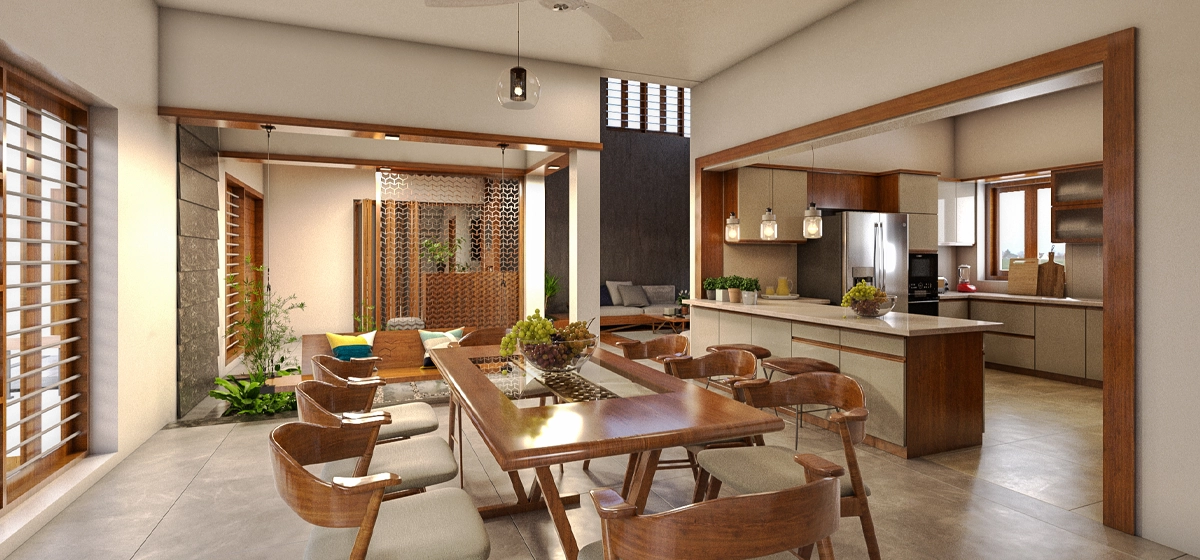
Sustainable Architecture: Designing in Harmony with Nature
Sustainable architecture is about creating buildings that respond thoughtfully to their environmental context while providing comfortable and functional spaces for people.
As environmental concerns and resource demands continue to influence the construction industry, architects have an important opportunity to reconsider how buildings are designed, constructed, and used.
Sustainability is not limited to installing energy-efficient equipment. It begins with fundamental architectural decisions, including building orientation, spatial planning, material selection, and the relationship between indoor and outdoor environments.
What Is Sustainable Architecture?
Sustainable architecture considers the environmental impact of a building throughout its life cycle.
This includes the resources required for construction, the energy and water consumed during operation, the durability of materials, and the potential for maintenance, adaptation, and reuse.
A sustainable building should also support the comfort, health, and everyday needs of its occupants.
The most appropriate strategies depend on the building type, local climate, available resources, and project requirements.
Designing for Natural Light
Natural daylight can improve the experience of interior spaces while reducing the need for artificial lighting during suitable hours.
Architects can introduce daylight through carefully positioned windows, skylights, courtyards, and openings.
However, daylight must be balanced with solar heat gain and glare. In warmer climates, external shading, suitable glazing, and thoughtful building orientation can help manage these challenges.
The objective is to create bright and comfortable interiors without introducing unnecessary thermal loads.
Improving Natural Ventilation
Natural ventilation uses outdoor air movement to support indoor air circulation when weather conditions and outdoor air quality permit.
Building orientation, opening placement, internal layouts, and the relationship between different spaces can influence ventilation performance.
In hot and humid climates, natural ventilation must be carefully assessed because outdoor conditions may not always support indoor comfort. Mechanical ventilation or cooling may still be necessary.
A climate-responsive design considers these factors from the beginning rather than treating ventilation as an afterthought.
Choosing Responsible Building Materials
Materials have environmental impacts associated with extraction, manufacturing, transportation, installation, and disposal.
Selecting durable materials with suitable environmental credentials can help reduce these impacts.
Architects may consider locally available products, recycled materials, responsibly sourced timber, and finishes that require less frequent replacement.
The best material choice depends on more than appearance or initial cost. Durability, maintenance requirements, local availability, and long-term performance are equally important.
Creating Energy-Efficient Buildings
Energy efficiency depends on how well a building responds to its environment and how efficiently its systems operate.
Useful strategies include:
* Appropriate building orientation.
* External shading and solar control.
* Effective insulation suited to the climate.
* Energy-efficient lighting.
* Efficient heating, ventilation, and cooling systems.
* Building controls that respond to actual occupancy and use.
Combining these strategies can help reduce operational energy consumption and improve indoor comfort.
The Importance of Water-Conscious Design
Water efficiency is another important element of sustainable architecture.
Depending on the project, suitable measures may include water-efficient fixtures, leak detection, rainwater collection where practical, and landscape design that considers local water availability.
Water reuse and harvesting systems must be designed according to local regulations and technical requirements.
Designing for Long-Term Value
Buildings that are durable, adaptable, and straightforward to maintain can provide benefits over their entire service life.
Flexible layouts, accessible services, repairable components, and carefully selected materials can help extend a building’s useful life.
Adaptive reuse can also reduce the need for demolition and new construction when an existing building can be safely and effectively adapted.
Conclusion
Sustainable architecture begins with thoughtful decisions about how a building responds to its site, climate, occupants, and available resources.
By integrating environmental considerations into the design process, architects can create spaces that balance functionality, comfort, and responsible resource use.
At MUDBRICKS, contextual understanding and thoughtful design provide a foundation for exploring architectural solutions that work in harmony with their surroundings.