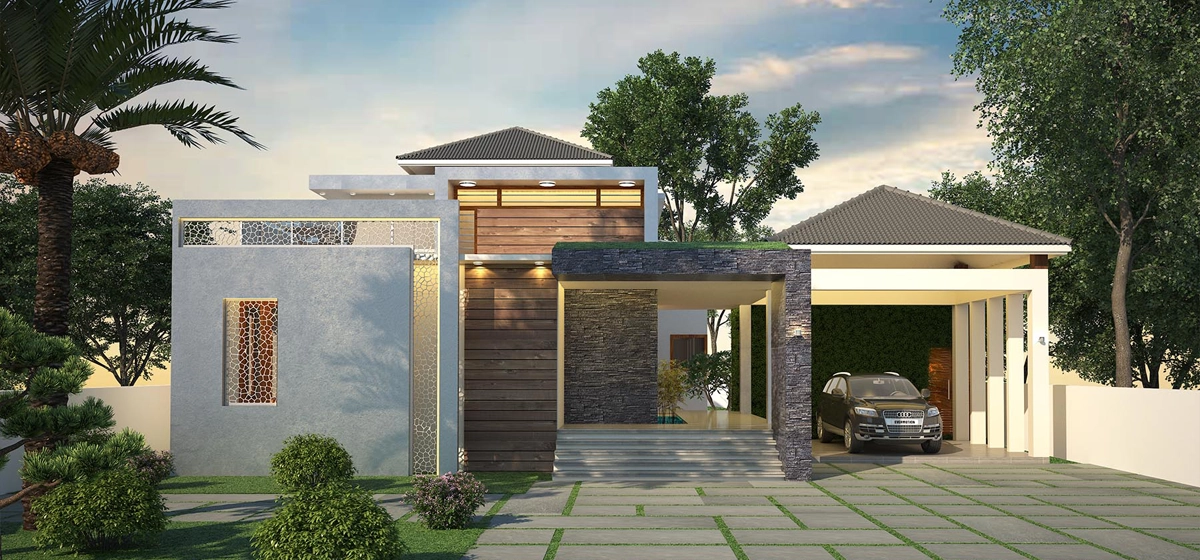
Modern Architecture Rooted in Tradition: Finding the Perfect Balance
Architecture is more than the creation of buildings. It reflects culture, history, lifestyle, and the relationship between people and their surroundings. As contemporary architecture continues to evolve, traditional architectural principles remain an important source of inspiration for creating meaningful and enduring spaces.
At MUDBRICKS, we believe thoughtful architecture begins with understanding its context. By combining traditional wisdom with contemporary design approaches, architects can create spaces that respect their heritage while responding to modern needs.
Understanding the Relationship Between Tradition and Modern Architecture
Traditional architecture often reflects the climate, materials, craftsmanship, and cultural values of a particular region. These buildings developed through generations of experience, responding to environmental conditions and the everyday needs of their occupants.
Modern architecture introduces new materials, technologies, construction methods, and spatial possibilities. When these approaches are combined thoughtfully, the result can be architecture that feels contemporary without losing its connection to place.
The goal is not simply to recreate traditional buildings. It is to understand the principles behind them and reinterpret those principles for contemporary life.
The Importance of Local Materials
Materials influence the appearance, performance, and character of a building. Traditional architecture frequently uses materials available within its surroundings, creating a strong visual and cultural connection to the landscape.
Contemporary projects can draw inspiration from this approach by considering locally available materials, regional craftsmanship, and finishes that complement the surrounding environment.
Material selection should also consider durability, maintenance, environmental impact, and the practical requirements of the project.
Designing for Climate and Comfort
Traditional architecture often responds intelligently to local climatic conditions. Courtyards, shaded verandas, screened openings, thick walls, and carefully positioned windows have historically helped manage sunlight, airflow, and temperature.
Modern architects can reinterpret these strategies through contemporary planning, building orientation, shading systems, and suitable ventilation solutions.
Climate-responsive design can improve indoor comfort and help reduce reliance on mechanical cooling, depending on the building’s location and overall design.
Preserving Cultural Identity Through Architecture
Buildings contribute to the identity of a place. Architectural details, spatial arrangements, materials, and craftsmanship can communicate a sense of history and belonging.
Incorporating regional influences into contemporary architecture can help maintain this connection while allowing spaces to evolve with changing lifestyles.
Successful design respects the character of its surroundings without limiting creativity or innovation.
Creating Spaces for Contemporary Living
Modern lifestyles require flexible, comfortable, and functional environments. Open layouts, efficient circulation, integrated technology, and adaptable spaces can respond to these requirements.
The challenge is to introduce these features without overlooking the human experience of a building.
Thoughtful proportions, natural light, material quality, and connections between indoor and outdoor spaces can help create architecture that feels both contemporary and enduring.
A Context-Driven Approach to Architecture
Every site presents different opportunities and challenges. Climate, orientation, cultural context, surrounding buildings, and client requirements should all influence the design process.
At MUDBRICKS, we believe that understanding these factors is essential to creating architecture that is relevant to its setting and meaningful to its users.
Conclusion
Modern architecture and traditional design principles do not have to exist separately. When combined with care, they can create spaces that embrace innovation while respecting cultural identity and environmental context.
The future of architecture lies not only in discovering new possibilities but also in learning from the knowledge and experience embedded in the built environment.